Private Label Leather Bags: How to Start Your Own Leather Goods Brand
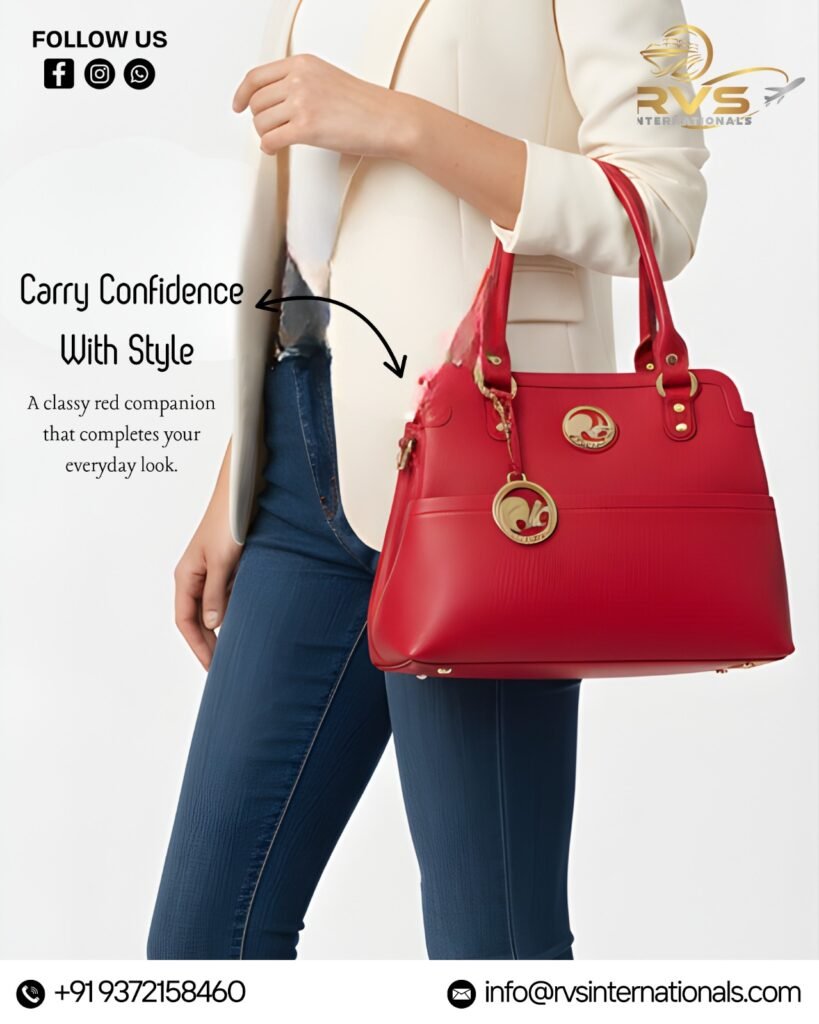
The demand for private label leather bags continues to grow among fashion brands, retailers, e-commerce businesses, corporate gifting companies, and entrepreneurs looking to launch their own leather goods collections. Private-label manufacturing allows businesses to sell customized products under their own brand without having to establish their own manufacturing facility.
Starting a leather goods brand requires more than simply selecting a bag and adding a logo. Businesses need to consider leather quality, product design, customization, packaging, minimum order quantities, quality control, pricing, and manufacturing capabilities. This guide explains the important factors to consider when developing your own private-label leather bag collection.
What Is Private-Label Leather Bag Manufacturing?
Private-label manufacturing allows a business to develop or customize leather bags and sell them under its own brand name. Instead of managing the complete manufacturing process yourself, you work with a manufacturer that handles product development and production according to your requirements.
Depending on the manufacturer’s capabilities, private-label products can be customized in several ways, including:
- Leather type and finish
- Bag size and dimensions
- Colors and textures
- Compartments and pockets
- Handles and straps
- Zippers and hardware
- Logo placement
- Labels and tags
- Custom packaging
This gives brands greater control over the final product and allows them to create a collection that matches their target market.
Choose the Right Leather Bag Category
Before contacting a manufacturer, it is important to decide what type of leather bags you want to sell. Different categories appeal to different customer groups and have different manufacturing requirements.
Popular options include leather backpacks, laptop bags, handbags, messenger bags, duffle bags, travel bags, tote bags, and briefcases.
For example, a business targeting corporate professionals may focus on laptop bags and briefcases, while a fashion-focused brand may develop handbags, backpacks, or crossbody bags.
Consider the following before selecting your product range:
- Target customers
- Intended use
- Price range
- Product size
- Design preferences
- Expected demand
- Retail positioning
Starting with a focused collection can make it easier to test your market before expanding into additional products.
Selecting the Right Leather
Leather quality is one of the most important factors when developing a private-label leather bag. The material affects the appearance, durability, texture, weight, and overall positioning of the product.
Depending on your requirements, manufacturers may offer different leather types and finishes. Buyers should ask about the material specifications, thickness, texture, color, and finishing process before approving production.
Requesting a physical sample is highly recommended. A sample allows you to check the actual leather quality rather than relying only on photographs.
When evaluating the leather, consider:
- Surface appearance and texture
- Thickness and flexibility
- Color consistency
- Natural markings
- Finishing quality
- Durability
- Overall feel
The right material should match both the product design and the expectations of your target customers.
Customization and Branding Options
One of the biggest advantages of private-label leather bags is the ability to create products that represent your own brand.
Your manufacturer may be able to customize different elements of the product, including the leather, color, lining, hardware, stitching, compartments, and dimensions.
Branding can also be added using techniques such as logo embossing, debossing, printing, engraving, or customized metal logos.
When submitting your branding requirements, provide clear information about:
- Logo artwork
- Logo size
- Logo placement
- Brand colors
- Label requirements
- Packaging design
- Product specifications
A clear specification helps the manufacturer understand your expectations and reduces the possibility of mistakes during production.
Private-Label Packaging
Packaging is often overlooked when developing a leather goods brand, but it can have a major impact on how customers perceive the product.
Depending on your brand and budget, you can consider customized:
- Product boxes
- Dust bags
- Hang tags
- Care cards
- Brand labels
- Thank-you cards
- Protective packaging
For premium leather brands, professional packaging can help create a stronger customer experience and make the product feel more complete.
Understanding MOQ and Production Costs
Minimum Order Quantity (MOQ) refers to the minimum number of products a manufacturer requires for an order. MOQ can vary depending on the product, customization, material, packaging, and production requirements.
Before placing an order, ask the manufacturer about:
- Minimum order quantity
- Sample costs
- Bulk pricing
- Customization costs
- Packaging costs
- Production timeline
- Shipping requirements
Do not compare manufacturers only on the lowest unit price. Product quality, customization capabilities, production consistency, communication, and delivery requirements should also be considered.
Why Product Samples Are Important
Before committing to a large production order, businesses should request and approve a sample.
A sample allows you to check the complete product, including:
- Leather quality
- Dimensions
- Stitching
- Zippers
- Hardware
- Handles
- Compartments
- Lining
- Logo placement
- Overall finishing
If changes are required, they can be discussed before bulk production begins. This can help reduce quality issues and unexpected changes later.
Choosing a Reliable Private-Label Manufacturer
Finding the right private-label leather bag manufacturer is one of the most important steps in building a leather goods brand.
Look for a manufacturer that can clearly communicate its production capabilities, customization options, MOQ, quality-control process, and delivery requirements.
It is also useful to evaluate the manufacturer’s experience with wholesale and private-label orders. A manufacturer that understands your product requirements can make product development and bulk production easier to manage.
Why Work With RVS International?
RVS International provides leather product manufacturing solutions for businesses looking for wholesale, bulk, custom, and private-label leather products.
Businesses can discuss their requirements related to product design, materials, branding, customization, packaging, and order quantities to develop products according to their target market.
Final Thoughts
Starting a private-label leather goods brand requires careful planning and the right manufacturing partner. Businesses should evaluate leather quality, product design, customization, branding, MOQ, packaging, samples, pricing, and quality control before placing a bulk order.
Whether you are launching your first leather brand or expanding an existing accessories business, private-label manufacturing can provide the flexibility to create products that match your brand identity and customer expectations.
If you are looking for private-label leather bags, custom leather bags, wholesale leather products, or bulk leather manufacturing, RVS International can be considered as a manufacturing partner for discussing your product and customization requirements.