

Genuine Leather vs Synthetic Leather: Which One Should You Choose?
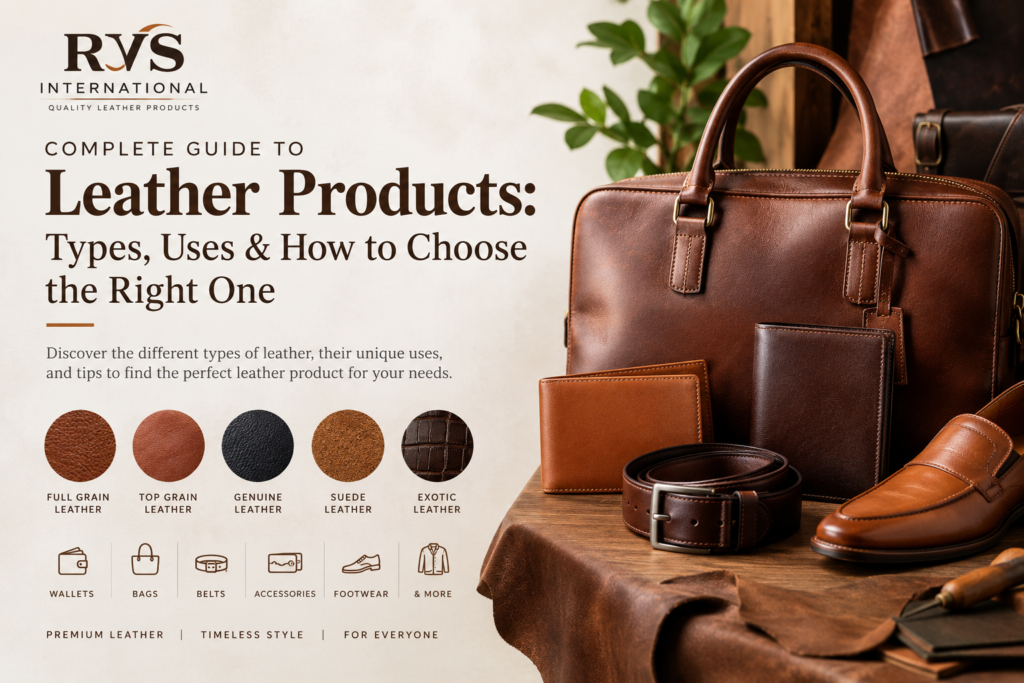
Genuine Leather vs Synthetic Leather
Genuine leather vs synthetic leather is a common comparison when shopping for wallets, bags, belts and other accessories. Although both materials can be used to create attractive products, they differ in composition, texture, maintenance and long-term characteristics.
Understanding the differences can help you select the material that fits your requirements.
What Is Genuine Leather?
Genuine leather is made from animal hide that has undergone processing and tanning. Depending on the grade and finishing process, genuine leather can have different textures, appearances and characteristics.
One of the most noticeable features of leather is its natural variation. Small differences in grain, texture and color can occur, making each piece somewhat distinctive.
What Is Synthetic Leather?
Synthetic leather is manufactured using man-made materials designed to resemble leather. It is commonly used in fashion accessories, bags, furniture and other applications.
Synthetic materials can offer consistent color and texture and are available in many designs.
Appearance and Feel
Genuine leather generally has a natural texture and develops character with use. Its surface can change over time depending on exposure, handling and care.
Synthetic leather can provide a more uniform appearance. Modern manufacturing techniques allow synthetic materials to replicate certain leather textures and finishes.
The choice often comes down to personal preference and intended use.
Durability
Durability depends on the specific material, construction and usage conditions.
A well-made genuine leather product can provide long-term service when properly maintained. However, simply being made from leather does not automatically guarantee superior construction.
Stitching, hardware, product design and finishing are equally important.
Synthetic leather products can also be durable, but their performance varies significantly according to the material and manufacturing quality.
Maintenance
Both materials require appropriate care.
Leather products should generally be protected from excessive moisture, harsh chemicals and unnecessary exposure to heat. Regular cleaning using suitable leather-care products can help maintain their appearance.
Synthetic leather may be easier to clean for certain everyday applications, but care instructions depend on the specific material.
Always follow the manufacturer’s recommendations.
Cost Considerations
Price is another major difference. Genuine leather products may have a higher price because of the material and manufacturing processes involved.
Synthetic leather can provide an alternative for shoppers who want a leather-like appearance at a different price point.
However, price should not be the only deciding factor. Consider how often you will use the product, the expected lifespan and the overall construction.
Sustainability Considerations
Environmental impact is more complicated than simply labeling one material as good or bad.
Genuine leather is an animal-derived material and is connected to the livestock and tanning industries. Synthetic leather is generally manufactured from polymer-based materials, which can create different environmental considerations.
If sustainability is important to you, investigate the specific material, sourcing, production process and care information instead of relying only on broad labels.
Which Material Is Right for You?
There is no single answer for every buyer.
Genuine leather may appeal to people who appreciate natural material characteristics, traditional craftsmanship and the way leather can develop character over time.
Synthetic leather may appeal to shoppers who prioritize a particular price point, consistent appearance or specific material requirements.
The best choice depends on your budget, intended use, style preferences and expectations.
What Else Should You Check?
Regardless of material, examine the complete product.
For a wallet, inspect stitching, card slots and folding areas. For a belt, check the buckle and edges. For a bag, inspect handles, straps, zippers, lining and compartments.
A well-designed product should be comfortable and functional in addition to looking good.
Final Thoughts
When comparing genuine leather vs synthetic leather, consider the complete picture rather than focusing on one characteristic.
Material, construction, design, maintenance, intended use and budget all matter. By understanding these differences, you can select leather products that better match your lifestyle and expectations.