How Leather Bags Are Made: Inside RVS International’s Manufacturing Process
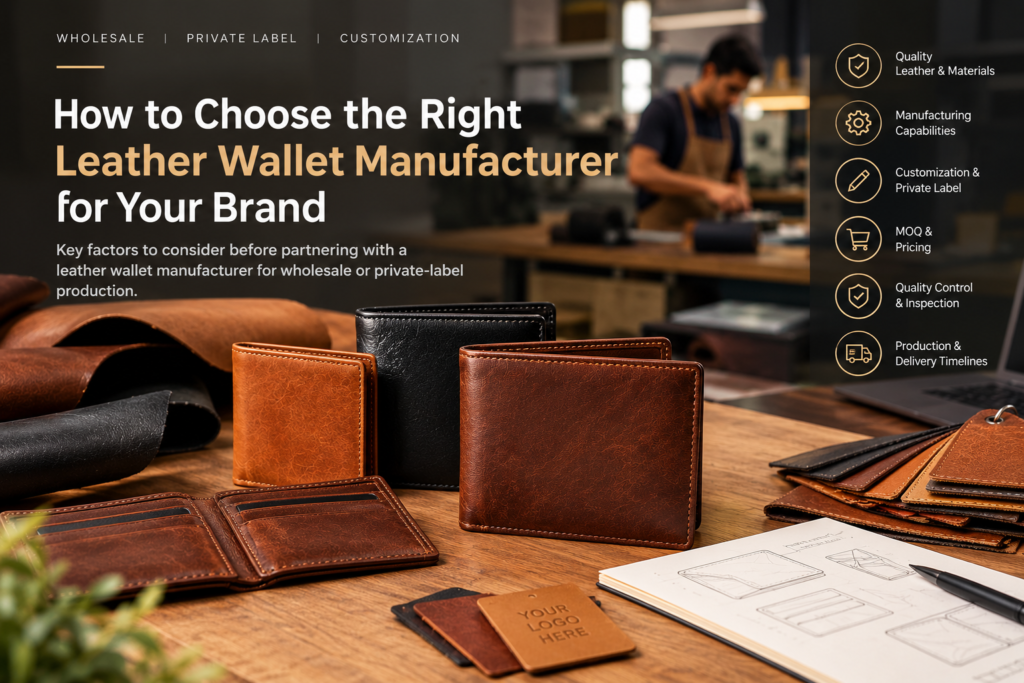
What “Private Label” Actually Means
Private label leather bags start with a simple arrangement: a factory produces the bags to your specifications, and you sell them under your own brand name rather than theirs. It’s different from simply reselling an existing product line — you have a say in the leather, colors, hardware, and branding, even though you’re not running the factory yourself. For most entrepreneurs, this is the realistic middle ground between reselling generic products and building an in-house manufacturing operation from scratch.
The market for premium leather accessories continues to create opportunities for fashion brands, retailers, e-commerce businesses, and entrepreneurs. Private label leather bags allow businesses to sell high-quality leather products under their own brand name without managing the complete manufacturing process themselves.
With a private-label model, a business can work with a leather bag manufacturer to select designs, materials, colors, sizes, hardware, branding, and packaging. The finished products can then be marketed and sold under the business’s own brand identity.
This approach gives brands greater control over their product presentation while allowing them to focus on marketing, customer relationships, distribution, and business growth.
Why Entrepreneurs Choose Private Label
Building a factory requires capital, expertise, and time most new brands don’t have. Private label lets you focus on what you’re actually good at — design direction, marketing, and customer relationships — while an experienced manufacturer handles cutting, stitching, quality control, and production logistics. It also means you can test a product idea with a modest order before investing in your own equipment or long-term supplier contracts.
Step-by-Step: Launching a Private-Label Line
The process usually starts with choosing a focused product range — two or three bag styles rather than a sprawling catalog — so you can control quality and cash flow. From there, you’ll select your leather type, colors, and finishes, working with the manufacturer’s existing material options rather than requesting something entirely custom, which keeps costs and lead times reasonable for a first order. Branding comes next: logo embossing, hardware engraving, and packaging design are typically finalized before sampling begins. A sample round follows, where you review stitching, hardware, and finish before signing off on bulk production, which is when MOQs and total costs are locked in.
Common Mistakes First-Time Brands Make
The most common misstep is over-customizing a first order — requesting a brand-new leather color, unusual hardware, or a fully bespoke pattern before you’ve validated demand. This drives up both cost and lead time and adds risk to an order you haven’t tested in the market yet. Another frequent mistake is skipping the sample stage to save time, which almost always costs more later if the bulk order arrives with issues a sample would have caught.
Manufacturer vs Middleman
Working directly with a manufacturer rather than a trading company or sourcing agent generally means better pricing, faster communication, and more control over customization, since you’re not adding a layer between yourself and the factory floor. It’s worth confirming this distinction early — a manufacturer that also handles its own exports can usually offer more flexibility on sampling and smaller first orders than a broker reselling capacity from multiple factories.
Setting Realistic Expectations for Your First Launch
It’s tempting to launch with a large, varied catalog, but a tighter first collection is easier to quality-control, market clearly, and reorder confidently once you understand what actually sells. Treat your first private-label run as a learning batch: note how customers respond to leather color, price point, and branding placement, and use that feedback to refine your second order rather than locking in a full year’s product roadmap before you’ve sold a single unit. Brands that grow steadily in this category tend to expand one well-tested product at a time — adding a backpack once the bag line is proven, then wallets or belts — rather than trying to launch a complete range simultaneously.