

Jute Bags vs Leather Bags: Choosing Sustainable Options for Retail
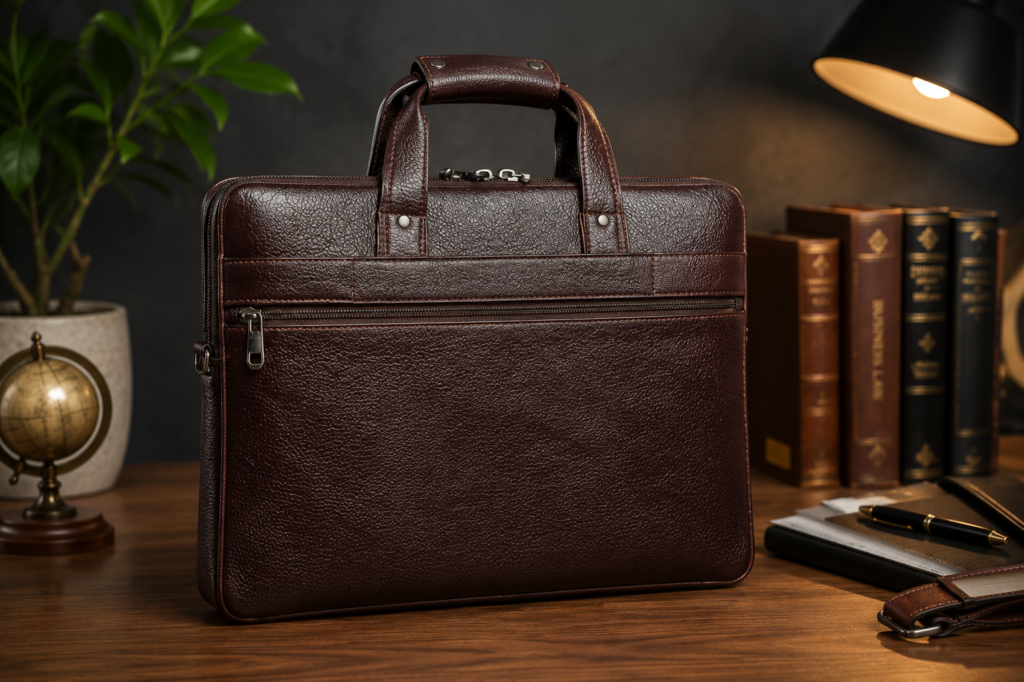
Retailers have many choices when selecting bags for their product range, packaging, promotions, or customers. Jute bags and leather bags serve different purposes and offer different characteristics, so businesses should compare them according to their target market and intended use.
Understanding Bags
Jute is a plant-based natural fiber commonly used for shopping bags, promotional bags, tote bags, and packaging.
Jute bags are often selected for their:
- Natural appearance
- Lightweight construction
- Promotional appeal
- Plant-based material
- Cost considerations
They can be suitable for businesses looking for a natural or casual product style.
Understanding Leather Bags
Leather bags are commonly positioned as durable and premium products. They are available in various designs, finishes, colors, and constructions.
Popular leather products include:
- Handbags
- Backpacks
- Laptop bags
- Travel bags
- Messenger bags
- Tote bags
Leather can be suitable for customers looking for long-term everyday products.
Which Material Is Right for Retail?
The right option depends on the intended purpose and customer.
Consider:
- Target audience
- Product category
- Expected usage
- Price range
- Design
- Durability
- Brand positioning
Jute may be suitable for promotional and shopping applications, while leather may be more appropriate for premium accessories and long-term use.
Customization Options
Both product categories can be customized.
Jute bags can be customized through size, handles, printing, and colors. Leather bags can offer additional options such as:
- Leather selection
- Hardware
- Compartments
- Logo embossing
- Custom colors
- Packaging
Sustainability Considerations
Businesses should consider sustainability from a broader perspective rather than focusing only on the material name.
Factors may include:
- Material sourcing
- Manufacturing process
- Product lifespan
- Durability
- Reusability
- Disposal
A product’s intended use and lifespan should be considered when evaluating its overall suitability.
Final Thoughts
Jute and leather bags are not necessarily direct alternatives. They can serve different customers, applications, and price segments.
Retailers should select the material based on their product requirements, customer expectations, design, budget, and brand positioning.