Uncategorized

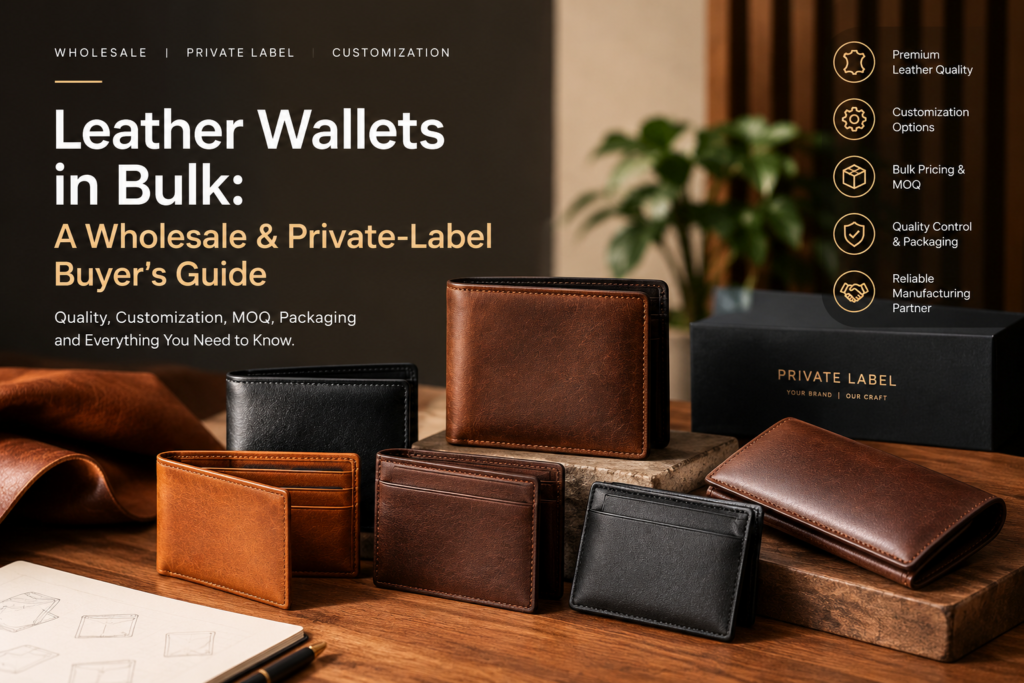
Leather Wallets in Bulk: A Wholesale & Private-Label Buyer's Guide
Uncategorized

Leather Wallets in Bulk: A Wholesale & Private-Label Buyer’s Guide

Leather wallets in bulk Meta Description: Buying leather wallets in bulk? Learn the best styles, MOQs, quality checks, and private-label branding options before you order. Why Leather Wallets Are a High-Margin Add-On Sourcing leather wallets in bulk rarely gets the spotlight the way bags and backpacks do, but for retailers, resellers, and private-label brands they quietly punch above their weight. Because wallets are small, lightweight, and inexpensive to ship compared to bags, they carry a favorable margin structure even at modest retail price points. They also make an ideal impulse purchase or gift-with-purchase item, and they pair naturally with almost any other leather category a business already sells. For a brand building out a full leather accessories line, wallets are often the fastest, lowest-risk category to add. Wallet Styles Worth Stocking Not all wallets serve the same customer, so a well-rounded bulk order usually spans a few core styles. Bifold and trifold wallets remain the steadiest sellers, offering a familiar shape with room for cash, cards, and IDs. Slim wallets and card holders have grown quickly in popularity among buyers who carry less and want a pocket-friendly profile, and they’re often cheaper to produce, which makes them useful for tighter budgets or promotional gifting. Women’s leather wallets and purses, typically slightly larger with dedicated compartments for coins and phones, round out a range that can serve a broader customer base without multiplying your supplier relationships. What to Check Before Ordering in Bulk Before committing to a bulk wallet order, inspect a physical sample rather than relying on photos alone. Leather grade matters more for wallets than almost any other category, since they’re handled constantly and live in pockets or bags where they flex and rub daily — full-grain or top-grain leather will hold its shape and finish far longer than a lower corrected-grain material. Check the stitching along the edges and card slots for consistency and reinforcement at stress points, and count the card slots against what your target customer actually needs; too few feels cheap, too many adds bulk and cost without adding value. Private-Label and Custom Branding Wallets are one of the easiest leather items to private label because the branding real estate is small but visible — a debossed logo inside the billfold, a custom lining color, or a printed care card inside the packaging can all be done without complicating production. Retailers building their own brand identity often start here before expanding private-label efforts into bags or belts, since the tooling and sampling costs for wallets are comparatively low. MOQs and Pricing for Bulk Orders Minimum order quantities for wallets are generally lower than for bags or backpacks, since less material and labour go into each unit. Pricing scales with leather grade, stitching complexity, and branding requirements, so it’s worth requesting a quote across a couple of leather grades before finalizing an order — the price gap is often smaller than buyers expect, and the durability difference is usually worth the small premium. Building a Balanced Wallet Range A smart first order usually mixes a dependable bifold or trifold as the anchor product with one lower-cost slim option to widen your price points without doubling your inventory risk. If your customer base skews toward gifting — corporate or seasonal — pairing a wallet with a small accessory like a card holder or keychain can lift order values without adding a whole new product line to manage. Track which style and price point moves fastest in your first run before expanding further, rather than guessing at a wide range up front; wallets are inexpensive enough to test in small batches, which makes them one of the lowest-risk categories to experiment with before committing larger budgets elsewhere in a leather accessories range.
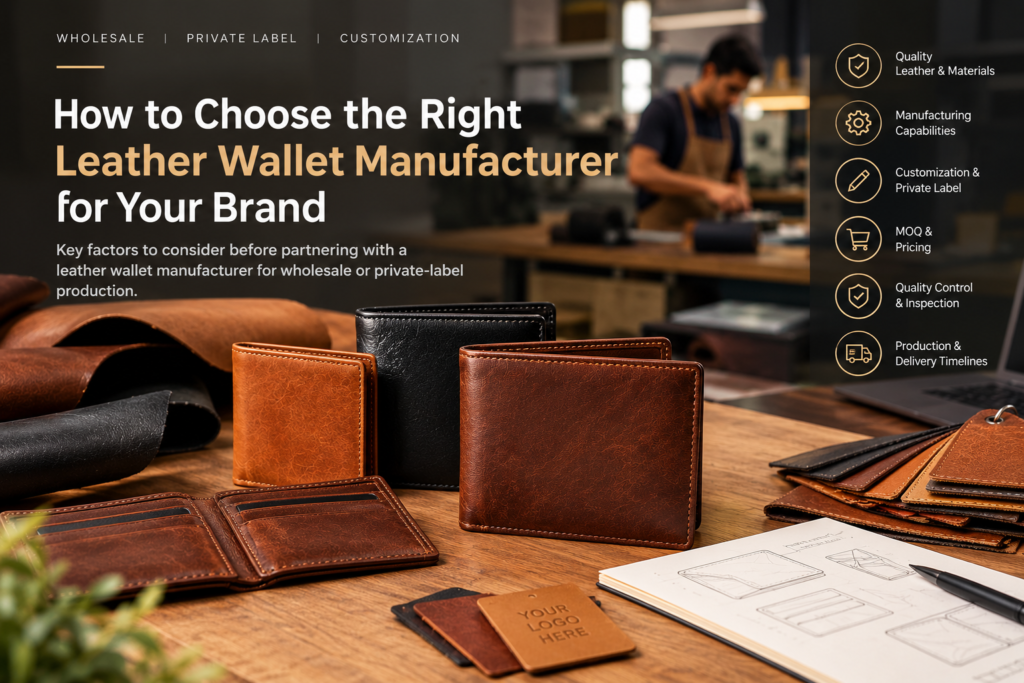
How Leather Bags Are Made: Inside RVS International’s Manufacturing Process
Uncategorized

How Leather Bags Are Made: Inside RVS International’s Manufacturing Process

What “Private Label” Actually Means Private label leather bags start with a simple arrangement: a factory produces the bags to your specifications, and you sell them under your own brand name rather than theirs. It’s different from simply reselling an existing product line — you have a say in the leather, colors, hardware, and branding, even though you’re not running the factory yourself. For most entrepreneurs, this is the realistic middle ground between reselling generic products and building an in-house manufacturing operation from scratch. The market for premium leather accessories continues to create opportunities for fashion brands, retailers, e-commerce businesses, and entrepreneurs. Private label leather bags allow businesses to sell high-quality leather products under their own brand name without managing the complete manufacturing process themselves. With a private-label model, a business can work with a leather bag manufacturer to select designs, materials, colors, sizes, hardware, branding, and packaging. The finished products can then be marketed and sold under the business’s own brand identity. This approach gives brands greater control over their product presentation while allowing them to focus on marketing, customer relationships, distribution, and business growth. Why Entrepreneurs Choose Private Label Building a factory requires capital, expertise, and time most new brands don’t have. Private label lets you focus on what you’re actually good at — design direction, marketing, and customer relationships — while an experienced manufacturer handles cutting, stitching, quality control, and production logistics. It also means you can test a product idea with a modest order before investing in your own equipment or long-term supplier contracts. Step-by-Step: Launching a Private-Label Line The process usually starts with choosing a focused product range — two or three bag styles rather than a sprawling catalog — so you can control quality and cash flow. From there, you’ll select your leather type, colors, and finishes, working with the manufacturer’s existing material options rather than requesting something entirely custom, which keeps costs and lead times reasonable for a first order. Branding comes next: logo embossing, hardware engraving, and packaging design are typically finalized before sampling begins. A sample round follows, where you review stitching, hardware, and finish before signing off on bulk production, which is when MOQs and total costs are locked in. Common Mistakes First-Time Brands Make The most common misstep is over-customizing a first order — requesting a brand-new leather color, unusual hardware, or a fully bespoke pattern before you’ve validated demand. This drives up both cost and lead time and adds risk to an order you haven’t tested in the market yet. Another frequent mistake is skipping the sample stage to save time, which almost always costs more later if the bulk order arrives with issues a sample would have caught. Manufacturer vs Middleman Working directly with a manufacturer rather than a trading company or sourcing agent generally means better pricing, faster communication, and more control over customization, since you’re not adding a layer between yourself and the factory floor. It’s worth confirming this distinction early — a manufacturer that also handles its own exports can usually offer more flexibility on sampling and smaller first orders than a broker reselling capacity from multiple factories. Setting Realistic Expectations for Your First Launch It’s tempting to launch with a large, varied catalog, but a tighter first collection is easier to quality-control, market clearly, and reorder confidently once you understand what actually sells. Treat your first private-label run as a learning batch: note how customers respond to leather color, price point, and branding placement, and use that feedback to refine your second order rather than locking in a full year’s product roadmap before you’ve sold a single unit. Brands that grow steadily in this category tend to expand one well-tested product at a time — adding a backpack once the bag line is proven, then wallets or belts — rather than trying to launch a complete range simultaneously.

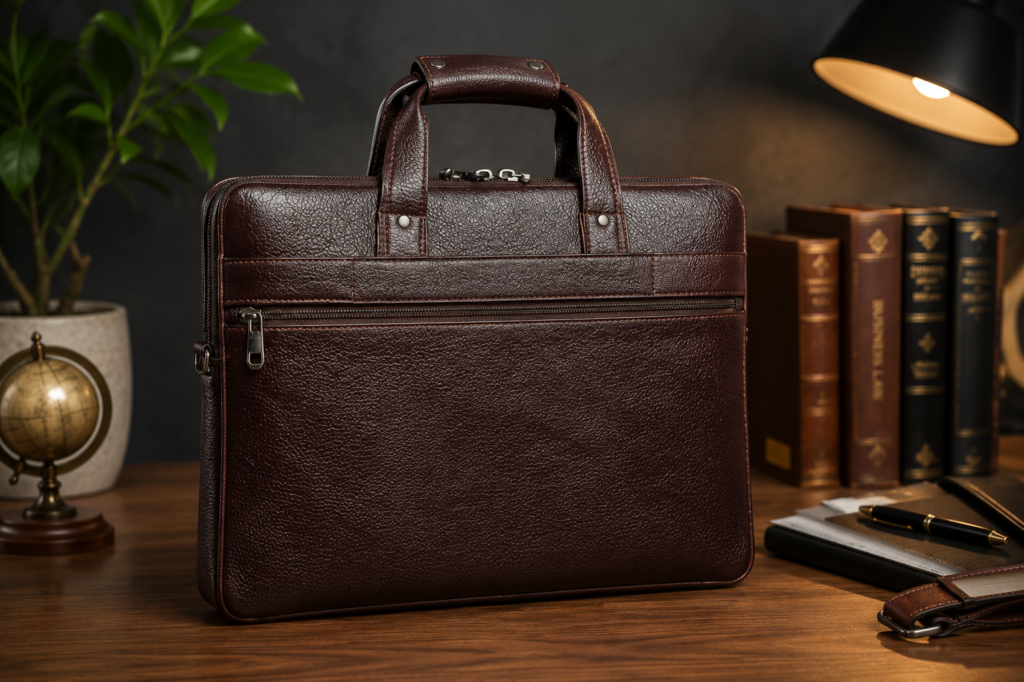
Dark Brown Leather Laptop Briefcase
Uncategorized

Leather Gift Sets & Accessory Bundles for Corporate & Retail Buyers

Leather gift sets and accessory bundles can be useful for corporate gifting companies, retailers, fashion brands, and businesses looking to offer coordinated leather products. Combining several accessories into one set can create a practical and professionally presented product for customers, employees, and business partners. Popular Leather Gift Set Products Depending on the target audience, a gift set can include: The combination should be selected according to the recipient and purpose. Creating a Consistent Product Set Matching materials, colors, finishes, and hardware can make the complete set look more professional. For example, a business-focused set could combine a wallet, card holder, belt, and keychain using matching leather and branding. Custom Branding Corporate and private-label buyers can add their branding through: The logo placement should be approved before production. Packaging and Presentation Packaging is an important part of a gift set. Businesses can consider custom boxes, inserts, dust bags, tags, and care cards. A well-arranged package can improve the overall presentation and make the product suitable for gifting. Bulk Orders and MOQ Buyers should confirm MOQ and pricing for each product included in the set. Since several products are being manufactured together, inventory and production planning should be coordinated carefully. Before bulk production, request a complete sample set and inspect every component. Quality Control Quality checks should cover: Every component should meet the approved specification. Final Thoughts Leather gift sets can help businesses create useful, coordinated, and professionally branded products for corporate and retail markets. With the right combination of products, customization, packaging, and quality control, businesses can develop gift sets that match their target customers and brand identity.

Dark Brown Leather Laptop Briefcase
Uncategorized

Jute Bags vs Leather Bags: Choosing Sustainable Options for Retail

Retailers have many choices when selecting bags for their product range, packaging, promotions, or customers. Jute bags and leather bags serve different purposes and offer different characteristics, so businesses should compare them according to their target market and intended use. Understanding Bags Jute is a plant-based natural fiber commonly used for shopping bags, promotional bags, tote bags, and packaging. Jute bags are often selected for their: They can be suitable for businesses looking for a natural or casual product style. Understanding Leather Bags Leather bags are commonly positioned as durable and premium products. They are available in various designs, finishes, colors, and constructions. Popular leather products include: Leather can be suitable for customers looking for long-term everyday products. Which Material Is Right for Retail? The right option depends on the intended purpose and customer. Consider: Jute may be suitable for promotional and shopping applications, while leather may be more appropriate for premium accessories and long-term use. Customization Options Both product categories can be customized. Jute bags can be customized through size, handles, printing, and colors. Leather bags can offer additional options such as: Sustainability Considerations Businesses should consider sustainability from a broader perspective rather than focusing only on the material name. Factors may include: A product’s intended use and lifespan should be considered when evaluating its overall suitability. Final Thoughts Jute and leather bags are not necessarily direct alternatives. They can serve different customers, applications, and price segments. Retailers should select the material based on their product requirements, customer expectations, design, budget, and brand positioning.

Dark Brown Leather Laptop Briefcase
Uncategorized

Leather Laptop Bags for Corporate Gifting & Bulk Orders: A Buyer’s Guide

Leather laptop bags are popular choices for corporate gifting, employee welcome kits, conferences, business events, and promotional programs. Their combination of practical functionality and professional appearance makes them suitable for companies looking for useful branded gifts. Choosing the Right Laptop Bag Before placing a bulk order, consider how the recipients will use the bag. The size should be suitable for the laptops and other items the users need to carry. Important features may include: Selecting Leather and Design The leather should match the intended quality and budget of the corporate gifting program. Buyers should evaluate: Classic colors such as black and brown are commonly suitable for professional gifting programs. Corporate Branding One of the main advantages of custom laptop bags is the ability to add a company logo. Branding options may include: The logo should be professionally positioned without affecting the overall appearance of the bag. Custom Packaging Packaging can make a significant difference in corporate gifting. Companies may choose customized boxes, dust bags, tags, greeting cards, or branded inserts. Professional packaging can create a more complete gifting experience. Bulk Orders and Quality Control Corporate orders can range from dozens to thousands of units. Buyers should confirm MOQ, production timelines, and delivery requirements in advance. Before bulk production, approve a sample and check: Choosing a Manufacturer A suitable leather laptop bag manufacturer should be able to handle customization, bulk production, branding, packaging, and quality control. RVS International can support businesses looking for customized leather products for corporate gifting and wholesale requirements. Final Thoughts A well-designed leather laptop bag can provide both practical value and professional branding. By carefully selecting the material, design, customization, packaging, and manufacturer, businesses can create corporate gifts that match their requirements.

duffle
Uncategorized

Leather Shoes Manufacturing & Wholesale Supply: A Retailer’s Guide

Leather shoes remain an important product category for retailers, footwear brands, wholesalers, and private-label businesses. From formal shoes and loafers to casual styles, leather footwear can be developed for different customer segments and price ranges. For retailers, selecting the right leather shoe manufacturer is important for maintaining quality, sizing, design consistency, and reliable supply. Choosing the Right Shoe Style Start by identifying the type of footwear you want to manufacture. Popular categories include: The selected design should match your target customers and market. Leather and Material Selection Leather quality can affect the appearance, comfort, flexibility, and durability of footwear. Buyers should discuss: A physical sample should be inspected before approving bulk production. Shoe Construction and Comfort A good-looking shoe also needs suitable construction and comfortable design. Buyers should evaluate stitching, sole attachment, lining, insole, heel, and overall finishing. Sizing is particularly important. Confirm the manufacturer’s sizing system and required size range before placing the order. Private-Label Customization Private-label footwear can be customized according to your brand requirements. Possible options include: Clear specifications can help prevent production misunderstandings. Quality Control Before bulk production, inspect the approved sample for: Quality should remain consistent throughout production. Wholesale Pricing and MOQ Wholesale buyers should confirm MOQ, sample costs, bulk pricing, production timelines, packaging, and shipping before placing an order. The cheapest supplier may not always provide the specifications required by your customers. Consider the complete product value when comparing manufacturers. Final Thoughts Successful wholesale footwear sourcing requires attention to materials, design, comfort, sizing, construction, customization, and quality control. For retailers and private-label brands, working with an experienced leather product manufacturer can help create a consistent footwear collection suited to their market.

duffle
Uncategorized

Custom Leather Belts for Retailers: Bulk & Private-Label Manufacturing Guide

Custom leather belts can be a valuable addition to retail stores, fashion brands, private-label businesses, and corporate gifting programs. Businesses can customize the material, colors, buckles, branding, packaging, and other elements according to their requirements. Choosing the Right Belt Style Before manufacturing begins, decide what type of belt you want to offer. Popular options include: The selected style should match your target customers and price range. Selecting Leather and Colors Leather quality affects the belt’s appearance, durability, and overall feel. Buyers should discuss the leather type, thickness, finish, and color with the manufacturer. For bulk orders, color consistency is particularly important. Approving a physical sample can help establish the expected color and finish. Custom Buckles and Branding The buckle is one of the most visible parts of a belt and can significantly influence its appearance. Private-label buyers can consider: Branding should be finalized before bulk production. Size and Product Specifications Correct sizing is important when ordering belts for retail. Buyers should determine the required size range and confirm measurements with the manufacturer. Specifications may include: MOQ and Bulk Orders Before placing an order, ask the manufacturer about MOQ, pricing, sampling, production time, and customization charges. Bulk pricing may depend on quantity, material, design complexity, branding, and packaging. Quality Control Before approving production, inspect the sample for: Consistent quality becomes especially important when producing hundreds or thousands of units. Choosing a Manufacturer A reliable custom leather belt manufacturer should be able to clearly communicate product specifications, customization options, MOQ, quality-control procedures, and production timelines. RVS International can support retailers and businesses looking for customized leather products for wholesale and private-label requirements. Final Thoughts Custom leather belts allow retailers to create products that match their brand identity, customer preferences, and price range. By carefully selecting materials, buckle designs, sizes, branding, packaging, and quality standards, businesses can develop a consistent leather belt collection for their market.

duffle
Uncategorized

Full-Grain vs Genuine Leather: What Buyers Should Check Before Ordering in Bulk

Full-Grain vs Genuine Leather: What Buyers Should Check Before Ordering in Bulk Understanding leather types is important for retailers, wholesalers, private-label brands, and businesses purchasing leather products in bulk. Full-grain leather and genuine leather are often discussed when sourcing bags, wallets, belts, shoes, and accessories, but buyers should understand that these terms do not tell the complete story about product quality. What Is Full-Grain Leather? Full-grain leather generally retains the natural grain surface of the hide. Because the natural surface remains visible, it may contain natural markings and variations. It is commonly used for premium leather products because of its natural appearance and durability. Over time, it can develop a distinctive patina. What Does Genuine Leather Mean? Genuine leather indicates that the product is made from real leather, but the term itself does not necessarily mean the highest leather grade. Buyers should ask manufacturers for specific material information instead of relying only on the term “genuine leather.” Important details include: What Should Bulk Buyers Check? When ordering leather products in bulk, buyers should evaluate the complete product rather than focusing only on the leather label. Check: Requesting a physical sample is one of the best ways to evaluate the actual product. Consider the Product Application Different leather products require different material specifications. A leather belt, wallet, backpack, laptop bag, and shoe may require different thicknesses and construction methods. The right leather should therefore be selected according to: Pricing and Quality Leather price can vary depending on material quality, finishing, construction, design, hardware, and order quantity. When comparing manufacturers, buyers should not select a supplier based only on the lowest quotation. A lower price may come with differences in material, finishing, hardware, or construction. Why Samples Matter Before placing a large order, approve a sample and check the exact specifications. For private-label products, also confirm: This helps ensure the bulk production matches the approved product. Final Thoughts Choosing between full-grain and other leather options depends on the product, target market, budget, and quality expectations. Wholesale buyers should request clear material specifications, inspect samples, and evaluate the complete product before placing a bulk order. RVS International can work with businesses looking for leather products for wholesale, custom, and private-label requirements.

duffle
Uncategorized

Leather Backpack Manufacturers: A Wholesale Buyer’s Guide

The demand for leather backpacks continues to grow among retailers, fashion brands, e-commerce businesses, corporate buyers, and private-label companies. Their combination of style, durability, and functionality makes them suitable for work, travel, college, and everyday use. For wholesale buyers, choosing the right leather backpack manufacturer is important for maintaining consistent quality, pricing, customization, and supply. This guide explains what buyers should consider before placing a bulk order. Why Buy Leather Backpacks in Bulk? Buying backpacks in bulk can help businesses benefit from wholesale pricing and maintain sufficient inventory. Retailers can also develop different styles, colors, and sizes according to their customers. Bulk leather backpacks can be suitable for: Working directly with a manufacturer can also make it easier to discuss product specifications and customization. Choosing the Right Leather Leather quality plays an important role in the appearance and durability of a backpack. Buyers should ask about the leather type, thickness, texture, finish, and color. Before placing a large order, requesting a sample is recommended. This allows you to check: The selected leather should match the product’s target market and expected price range. Backpack Design and Features A good leather backpack should combine appearance with practical functionality. Buyers should consider how customers will use the product before finalizing the design. Important features may include: The size and compartment arrangement should also be finalized before production. Private-Label Customization For brands looking to sell products under their own name, private-label leather backpacks offer several customization possibilities. Manufacturers may be able to customize: Branding can be added through embossing, debossing, printing, or customized metal logos. MOQ, Pricing and Production Before placing a wholesale order, buyers should understand the manufacturer’s Minimum Order Quantity (MOQ) and production timeline. Ask about: The lowest price should not be the only factor when comparing manufacturers. Quality, customization, communication, and consistency are equally important. Quality Control Before Bulk Production A sample should ideally be approved before bulk manufacturing begins. Buyers should inspect the complete product and confirm that it meets their specifications. Quality checks should include leather, stitching, zippers, handles, straps, dimensions, lining, hardware, and logo placement. Choosing a Reliable Manufacturer When selecting a wholesale leather backpack manufacturer, look for experience in bulk production, customization, quality control, and private-label manufacturing. RVS International works with businesses looking for customized and wholesale leather products according to their product and branding requirements. Final Thoughts Sourcing leather backpacks in bulk requires careful consideration of material, design, customization, MOQ, quality control, pricing, and delivery. Whether you need standard wholesale backpacks or customized private-label products, choosing an experienced manufacturing partner can help you build a consistent product range for your customers.

post 3
Uncategorized

Private Label Leather Bags: How to Start Your Own Leather Goods Brand

The demand for private label leather bags continues to grow among fashion brands, retailers, e-commerce businesses, corporate gifting companies, and entrepreneurs looking to launch their own leather goods collections. Private-label manufacturing allows businesses to sell customized products under their own brand without having to establish their own manufacturing facility. Starting a leather goods brand requires more than simply selecting a bag and adding a logo. Businesses need to consider leather quality, product design, customization, packaging, minimum order quantities, quality control, pricing, and manufacturing capabilities. This guide explains the important factors to consider when developing your own private-label leather bag collection. What Is Private-Label Leather Bag Manufacturing? Private-label manufacturing allows a business to develop or customize leather bags and sell them under its own brand name. Instead of managing the complete manufacturing process yourself, you work with a manufacturer that handles product development and production according to your requirements. Depending on the manufacturer’s capabilities, private-label products can be customized in several ways, including: This gives brands greater control over the final product and allows them to create a collection that matches their target market. Choose the Right Leather Bag Category Before contacting a manufacturer, it is important to decide what type of leather bags you want to sell. Different categories appeal to different customer groups and have different manufacturing requirements. Popular options include leather backpacks, laptop bags, handbags, messenger bags, duffle bags, travel bags, tote bags, and briefcases. For example, a business targeting corporate professionals may focus on laptop bags and briefcases, while a fashion-focused brand may develop handbags, backpacks, or crossbody bags. Consider the following before selecting your product range: Starting with a focused collection can make it easier to test your market before expanding into additional products. Selecting the Right Leather Leather quality is one of the most important factors when developing a private-label leather bag. The material affects the appearance, durability, texture, weight, and overall positioning of the product. Depending on your requirements, manufacturers may offer different leather types and finishes. Buyers should ask about the material specifications, thickness, texture, color, and finishing process before approving production. Requesting a physical sample is highly recommended. A sample allows you to check the actual leather quality rather than relying only on photographs. When evaluating the leather, consider: The right material should match both the product design and the expectations of your target customers. Customization and Branding Options One of the biggest advantages of private-label leather bags is the ability to create products that represent your own brand. Your manufacturer may be able to customize different elements of the product, including the leather, color, lining, hardware, stitching, compartments, and dimensions. Branding can also be added using techniques such as logo embossing, debossing, printing, engraving, or customized metal logos. When submitting your branding requirements, provide clear information about: A clear specification helps the manufacturer understand your expectations and reduces the possibility of mistakes during production. Private-Label Packaging Packaging is often overlooked when developing a leather goods brand, but it can have a major impact on how customers perceive the product. Depending on your brand and budget, you can consider customized: For premium leather brands, professional packaging can help create a stronger customer experience and make the product feel more complete. Understanding MOQ and Production Costs Minimum Order Quantity (MOQ) refers to the minimum number of products a manufacturer requires for an order. MOQ can vary depending on the product, customization, material, packaging, and production requirements. Before placing an order, ask the manufacturer about: Do not compare manufacturers only on the lowest unit price. Product quality, customization capabilities, production consistency, communication, and delivery requirements should also be considered. Why Product Samples Are Important Before committing to a large production order, businesses should request and approve a sample. A sample allows you to check the complete product, including: If changes are required, they can be discussed before bulk production begins. This can help reduce quality issues and unexpected changes later. Choosing a Reliable Private-Label Manufacturer Finding the right private-label leather bag manufacturer is one of the most important steps in building a leather goods brand. Look for a manufacturer that can clearly communicate its production capabilities, customization options, MOQ, quality-control process, and delivery requirements. It is also useful to evaluate the manufacturer’s experience with wholesale and private-label orders. A manufacturer that understands your product requirements can make product development and bulk production easier to manage. Why Work With RVS International? RVS International provides leather product manufacturing solutions for businesses looking for wholesale, bulk, custom, and private-label leather products. Businesses can discuss their requirements related to product design, materials, branding, customization, packaging, and order quantities to develop products according to their target market. Final Thoughts Starting a private-label leather goods brand requires careful planning and the right manufacturing partner. Businesses should evaluate leather quality, product design, customization, branding, MOQ, packaging, samples, pricing, and quality control before placing a bulk order. Whether you are launching your first leather brand or expanding an existing accessories business, private-label manufacturing can provide the flexibility to create products that match your brand identity and customer expectations. If you are looking for private-label leather bags, custom leather bags, wholesale leather products, or bulk leather manufacturing, RVS International can be considered as a manufacturing partner for discussing your product and customization requirements.

Scroll to Top